Turks and Caicos Islands
They lie at the south-eastern end of the Bahamas chain, 575 miles southeast of Miami and 90 miles north of the island of Hispaniola. The islands are generally flat, with rolling hills. The highest elevation is on the island of Providenciales, which rises to approximately 250 feet.
Known as 'Beautiful by Nature,' the islands are believed by many to be the landfall of Christopher Columbus's first voyage in 1492. While a monument on Grand Turk honours this claim, the exact location of Columbus's first landing remains debated among historians some scholars argue it may have been San Salvador in the Bahamas or other islands in the region. What is certain is that long before any European arrival, the islands were home to the Taíno and Lucayan peoples, who lived here peacefully for centuries.
The origins of the islands' name carry their own intrigue.
The most widely known theory links 'Turks' to the indigenous Turk's Head cactus, whose red crown resembles the fez hat of the Ottoman Empire. However, another compelling theory traces the name to the islands' pirate history during the 1600s and 1700s, the term 'Turk' was commonly used as a synonym for pirate, a reference to the Ottoman corsairs who raided ships across the Mediterranean. Early mapmakers may have labelled these islands as a warning: pirate waters. 'Caicos' comes from the Lucayan word caya hico, meaning 'string of islands’.
Some of the world's most beautiful islands. All connected by one airline.
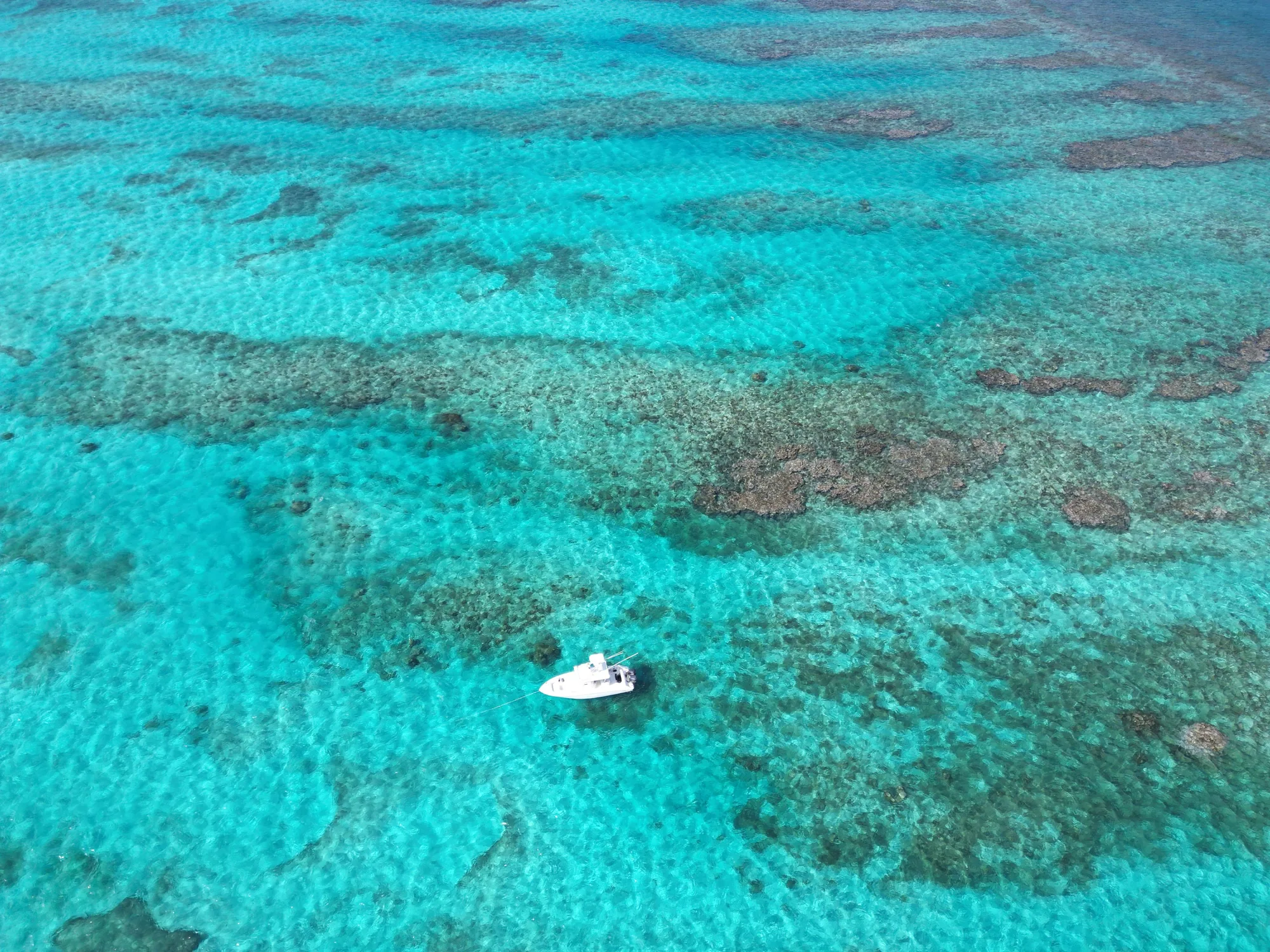
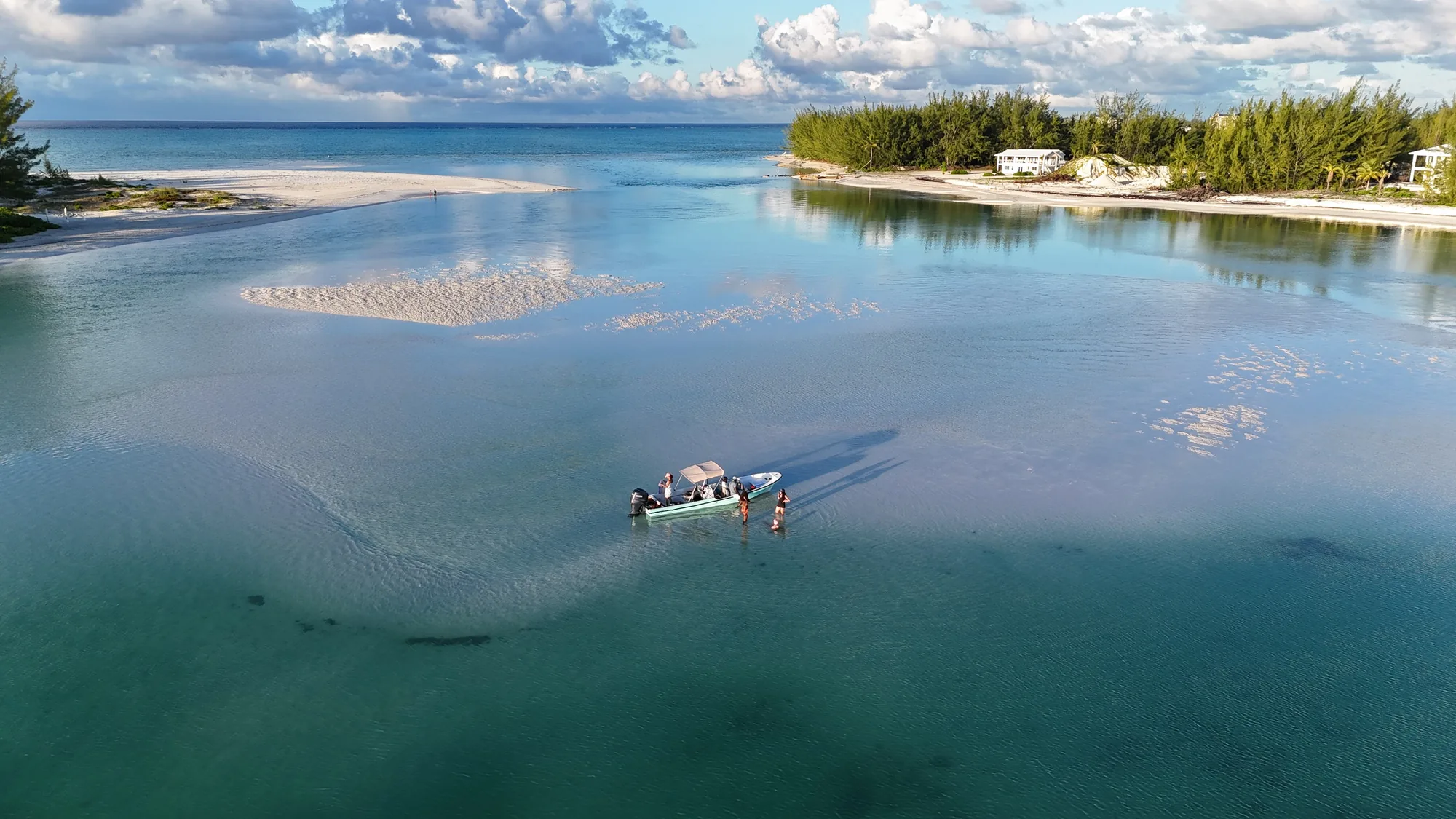
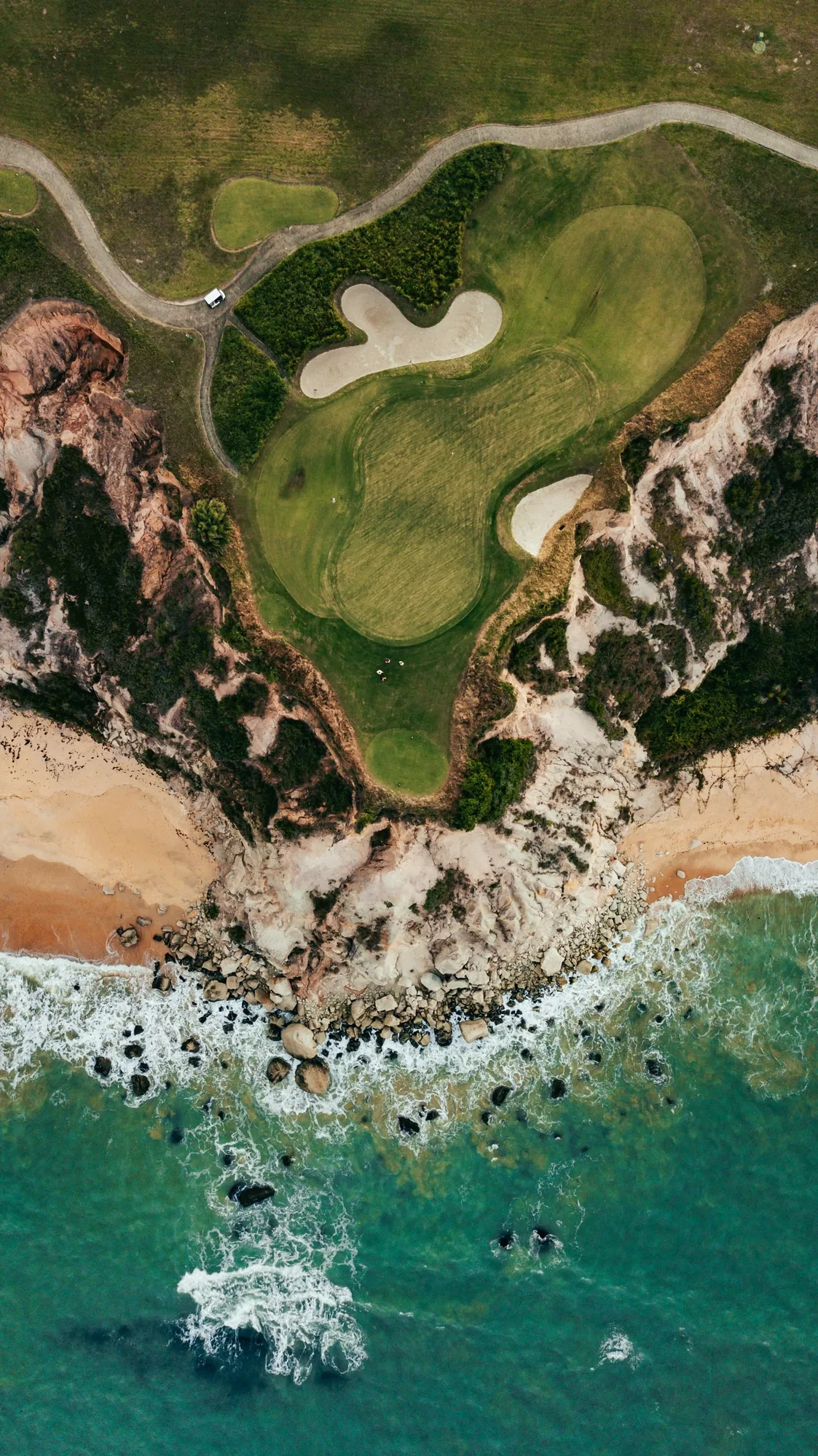
Providenciales is home to Grace Bay Beach — repeatedly voted one of the world's best beaches. Beyond the shore: world-class resorts, championship golf, exceptional boating, world-class bonefishing, and stretches of beach that still feel untouched.
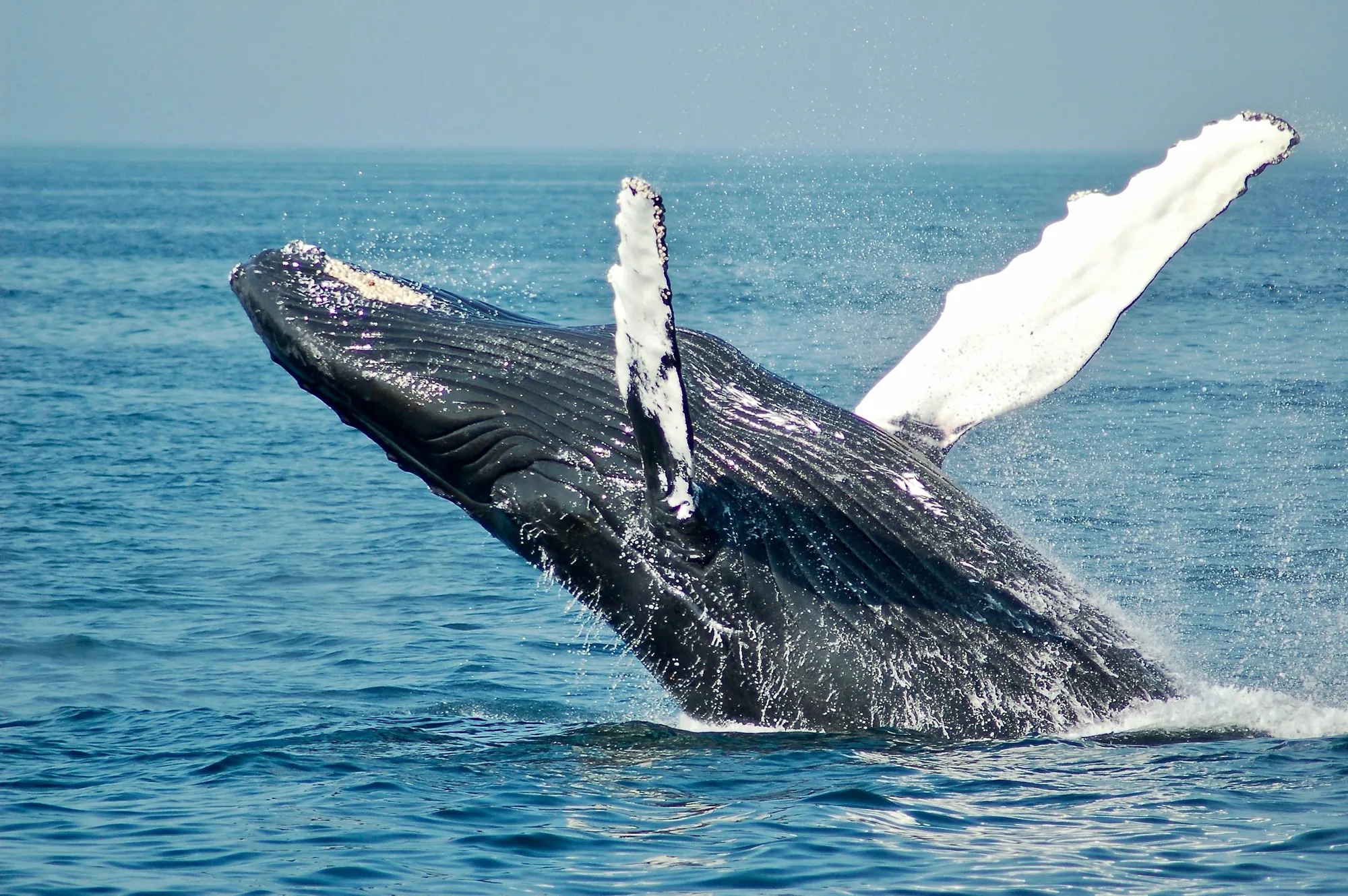
Grand Turk, the nation's capital, carries centuries of history. The National Museum, colonial architecture, and historic lighthouse make it a rewarding stop for history lovers. Offshore, the famous Wall offers world-class diving — and from January to March, Grand Turk and Salt Cay offer front-row seats to the annual humpback whale migration.
North Caicos, the green heart of the archipelago, is home to Flamingo Pond — a habitat to over 5,300 American flamingos, roughly 2.5% of the species' global population. A short drive across the causeway leads to Middle Caicos and the breathtaking Mudjin Harbour.
South Caicos is fast becoming one of TCI's most sought-after destinations. Two world-class oceanside resorts now call this unspoiled island home, alongside exceptional bonefishing and sport fishing that draw anglers from around the world.
Caicos Express connects every one of these islands —
a trusted, home-grown airline serving these waters for nearly two decades. The journey, and the views from the window seat, are very much part of the experience.
CXE Island Guides
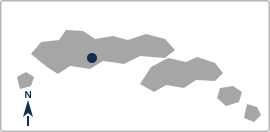
Known locally as Provo, is an island in the northwest Caicos Islands.
Home to Grace Bay Beach — one of the most celebrated beaches in the world, Providenciales is the gateway to the Turks and Caicos Islands. World-class resorts, stunning villas, and golf make it the most visited island in TCI, yet much of it remains refreshingly natural.
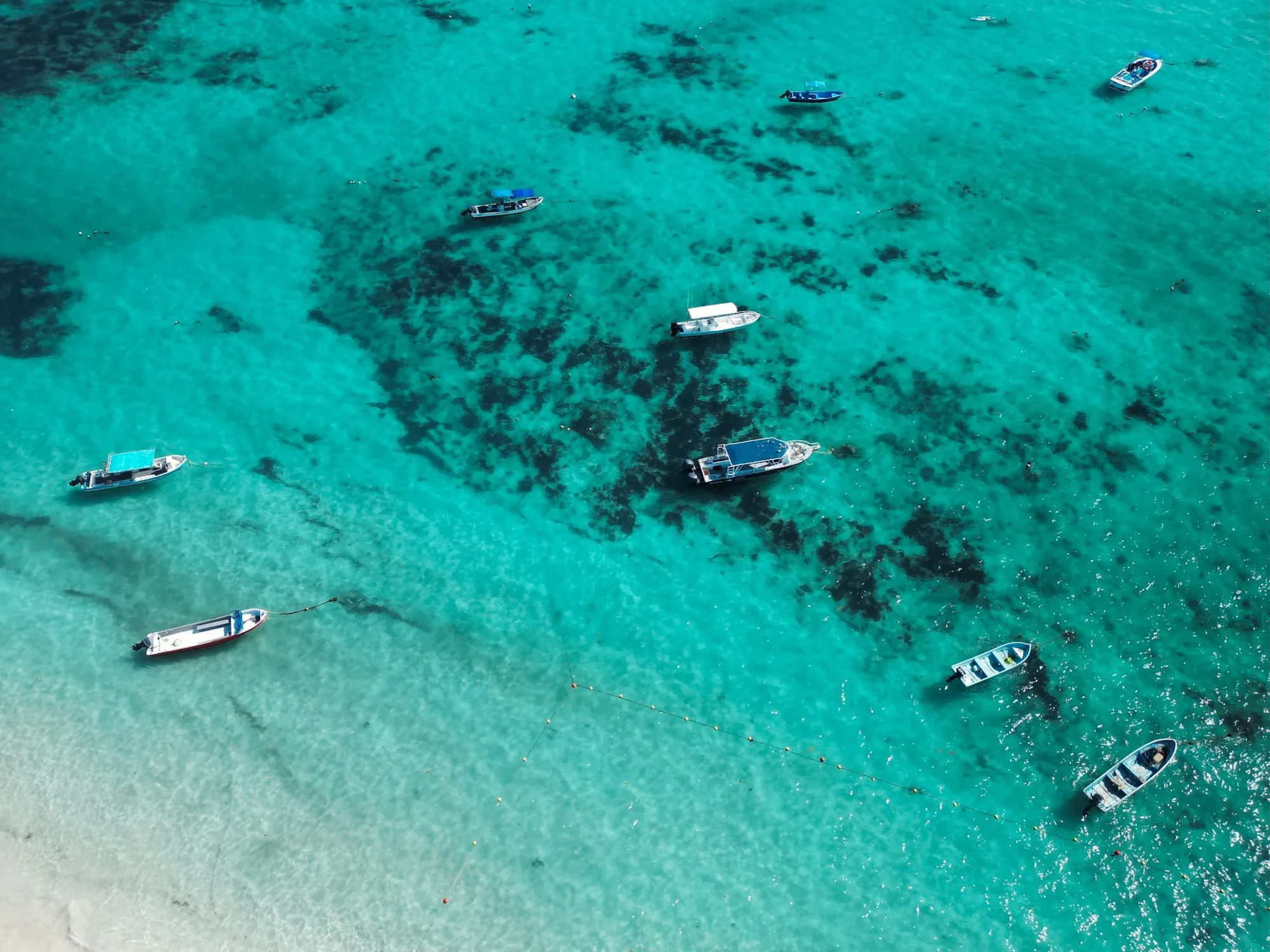
The turquoise waters surrounding Provo are among the finest in the Caribbean for boating and bonefishing, drawing anglers and water enthusiasts from around the world. Nearby uninhabited cays are easily reached by chartered boat, including Little Water Cay, home to the endemic Turks and Caicos rock iguana, one of the island's most iconic wild residents.
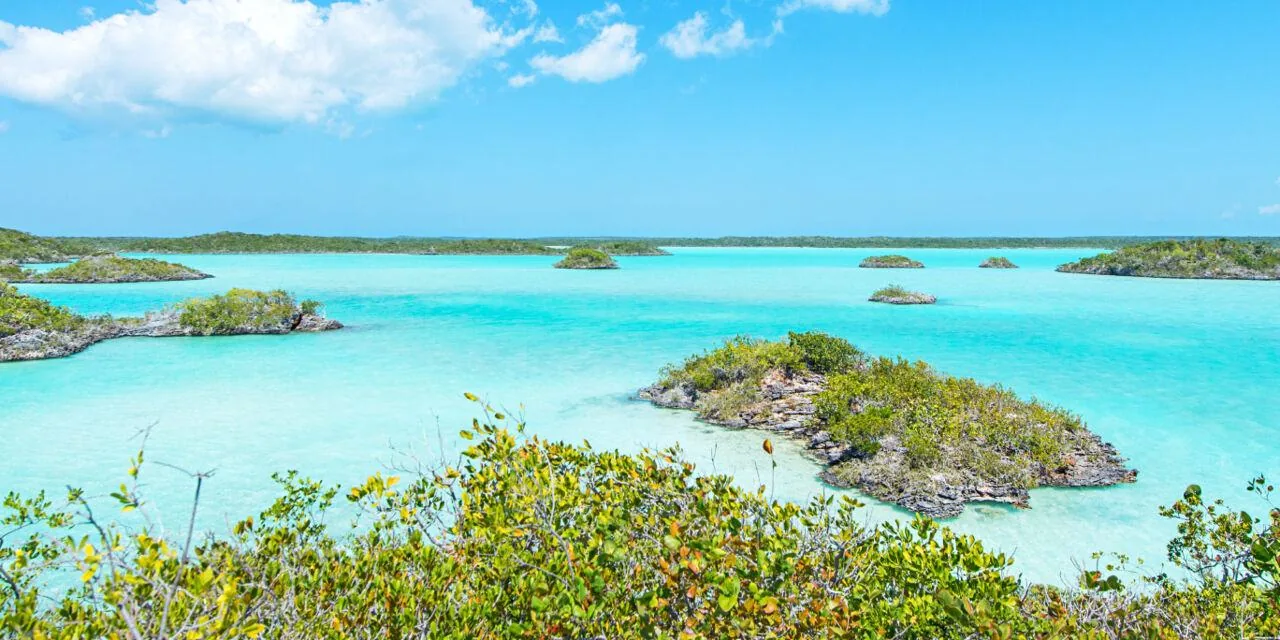
To the west, Chalk Sound National Park stuns with its uniform turquoise water dotted with tiny mushroom-shaped islets, while Northwest Point Marine National Park extends across pristine reefs and saline lakes that attract both wildlife and divers. Long Bay Beach, on the island's southern shore, is rapidly becoming one of the Caribbean's top kiteboarding destinations.
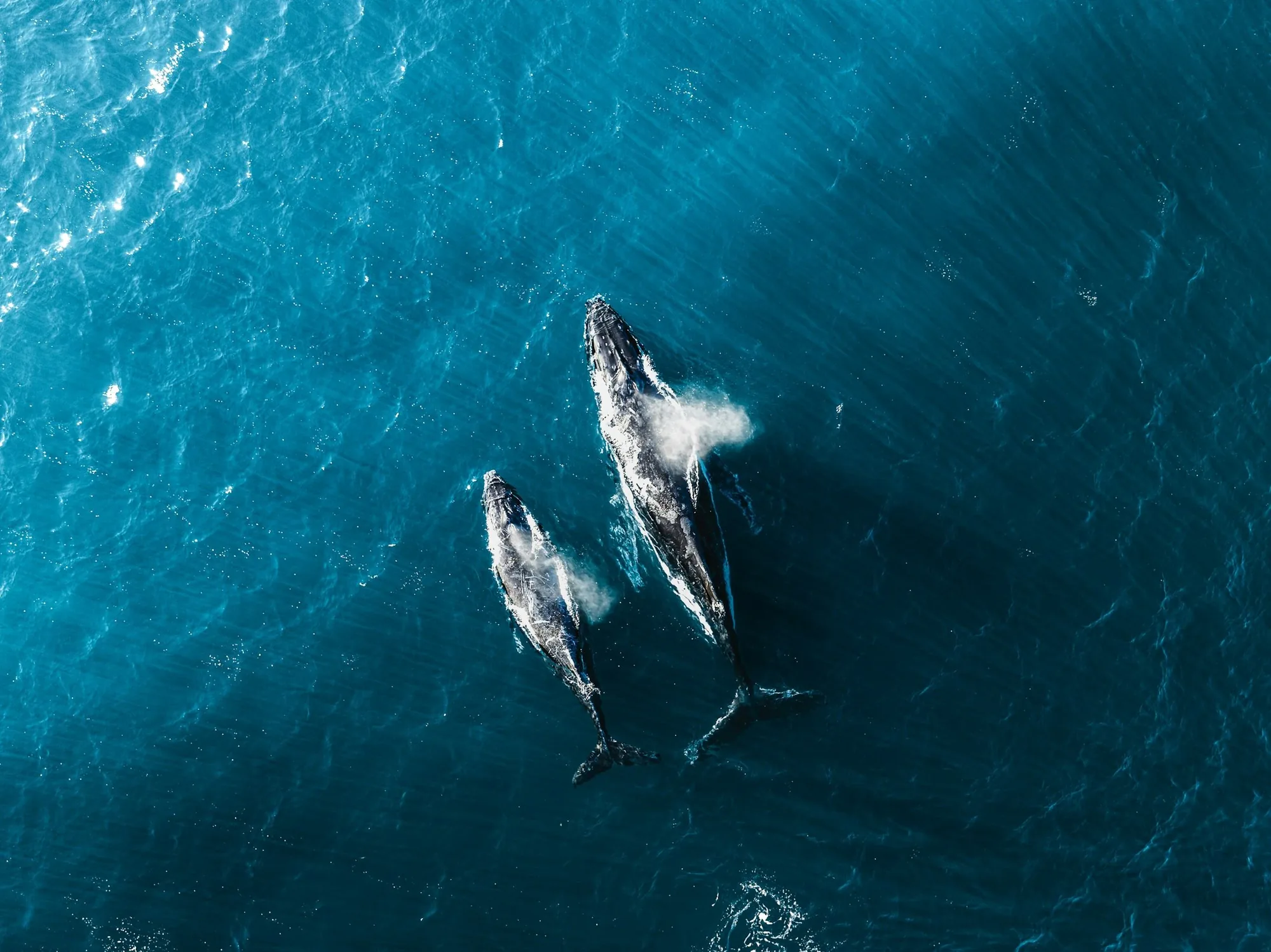
Providenciales sits on a common migration route for humpback whales, and seasonal sightings are a highlight for visitors between January and March.
Everything worth knowing about the destination from things to do, to the people doing business there. Want to be featured?
Contact us at hello@caicosmedia.tc
International Guides